

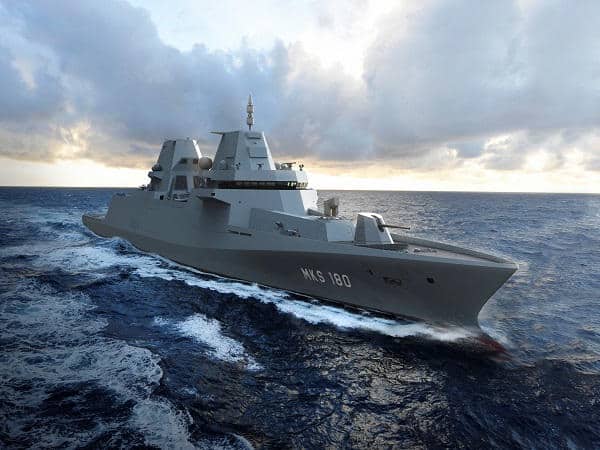


In January 2020, the German Ministry of Defense made a pivotal decision to award the Multi-Purpose Frigate Program MKS 180 (Mehrzweckkampfschiff 180 or Class F126) to a consortium led by the Dutch group Damen. This decision came at the expense of ThyssenKrupp Marine Systems (TKMS), which was unable to align its offer in terms of costs with the requirements set forth.
The abandonment of the ambitious F126 frigate program represents a significant strategic shift for Germany, reflecting a broader reassessment of naval capabilities and procurement strategies. This shift not only impacts Germany’s naval modernization efforts but also has implications for European defense collaboration and maritime security.
Germany’s decision to pivot towards a more cost-effective solution underscores the importance of adaptability in defense procurement. The MKS 180 program is designed to enhance the German Navy’s operational flexibility, allowing for multi-role capabilities that are essential in contemporary maritime operations.
As the geopolitical landscape evolves, the need for advanced naval platforms becomes increasingly critical. The MKS 180 frigates are expected to integrate advanced technologies, including enhanced surveillance systems and modular mission capabilities, ensuring that the German Navy remains competitive in a rapidly changing environment.
This strategic shift not only highlights the challenges faced by traditional defense contractors but also opens up opportunities for innovative partnerships in the defense sector. By focusing on collaboration and efficiency, Germany aims to strengthen its naval forces while ensuring fiscal responsibility.