


The recent deployment of the USS Truxtun, an Arleigh Burke-class destroyer, faced significant challenges from the outset. On February 4, shortly after departing from its home port in Norfolk, Virginia, the vessel was forced to return for repairs on one of its critical systems. While specific details regarding the nature of the malfunction were not disclosed, the incident underscores the complexities and risks associated with naval operations.
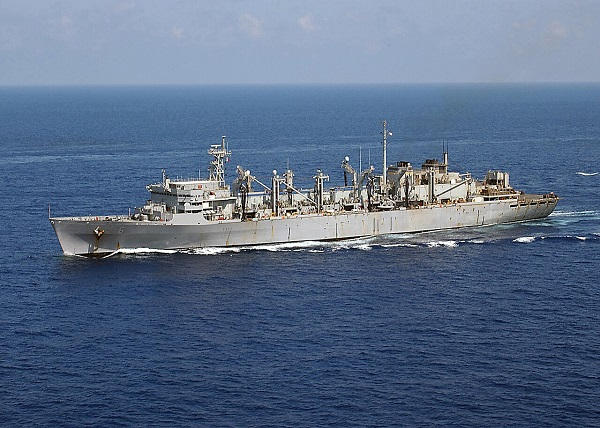
During a recent at-sea refueling operation, two American Navy ships were involved in a collision. Such incidents highlight the inherent dangers of maritime logistics, especially during complex maneuvers that require precision and coordination. The Navy continuously evaluates and enhances its operational protocols to minimize risks and ensure the safety of personnel and equipment.
Navy Ships Collision: Key Factors and Implications
The collision during the refueling operation raises several critical considerations:
- Operational Protocols: The Navy employs strict guidelines to govern at-sea refueling, which involves intricate coordination between vessels. Any deviation from these protocols can lead to accidents.
- Equipment Reliability: The reliability of naval equipment is paramount. Incidents like the USS Truxtun’s return for repairs emphasize the need for rigorous maintenance schedules.
- Training and Preparedness: Continuous training for crew members is essential to ensure they can effectively respond to emergencies and navigate complex situations.
Lessons Learned from Maritime Incidents
Maritime incidents serve as valuable learning opportunities for the Navy. Analyzing the causes and outcomes of such collisions can lead to improved safety measures and operational efficiency. Key lessons include:
- Enhanced Communication: Clear communication between vessels during refueling operations is vital to prevent misunderstandings and ensure safety.
- Technology Integration: Utilizing advanced navigational and communication technologies can significantly reduce the risk of collisions.
- Regular Drills: Conducting regular emergency drills can prepare crews for potential incidents, ensuring a swift and effective response.
Conclusion: Ensuring Safety in Naval Operations
The collision of Navy ships during at-sea refueling operations serves as a reminder of the complexities involved in naval logistics. By focusing on operational protocols, equipment reliability, and crew training, the Navy aims to enhance safety and prevent future incidents. Ongoing evaluations and adjustments to procedures will be crucial in maintaining the effectiveness and safety of naval operations.