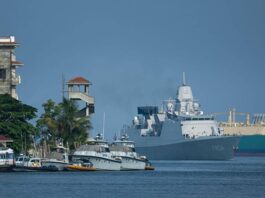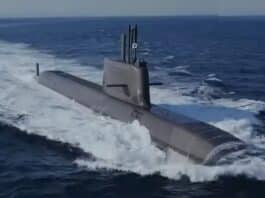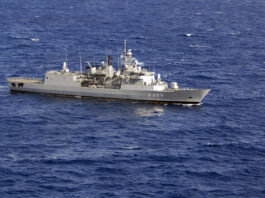
Announced in 2011 as part of the National Shipbuilding Strategy, the “Canadian Combat Ships” program aims to enable the Royal Canadian Navy to replace its aging Iroquois-class destroyers and Halifax-class multi-role frigates. A total of fifteen units are to be constructed by Irving Shipbuilding Inc. In 2018, significant advancements were made in the program, particularly in the area of sonar technology.
Navy Sonars: Enhancing Maritime Defense Capabilities
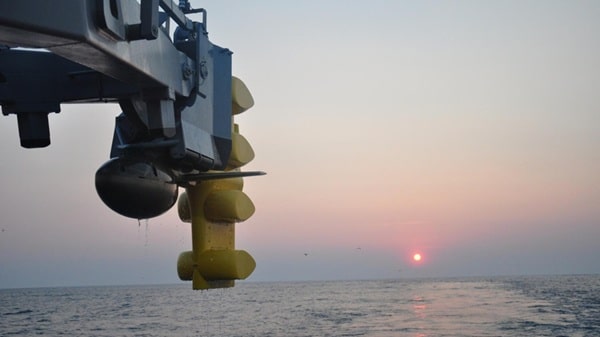
Sonar systems play a crucial role in maritime defense, providing essential capabilities for detection, tracking, and engagement of underwater threats. The integration of advanced sonar technology into Canadian destroyers enhances their operational effectiveness and situational awareness.
Key Features of Modern Sonar Systems
- Advanced Detection: Modern sonars utilize sophisticated algorithms to detect submarines and underwater objects with high precision.
- Real-time Data Processing: Enhanced processing power allows for real-time analysis of sonar data, improving decision-making in critical situations.
- Multi-frequency Capabilities: The ability to operate across various frequencies increases the versatility of sonar systems in diverse maritime environments.
Impact on Canadian Naval Operations
The incorporation of cutting-edge sonar technology into the Royal Canadian Navy’s destroyers significantly enhances their operational capabilities. This advancement allows for improved anti-submarine warfare (ASW) operations and better protection of maritime interests.
Strategic Advantages of Enhanced Sonar Systems
- Increased Survivability: Enhanced sonar capabilities provide early warning of potential threats, allowing for timely evasive actions.
- Improved Mission Success Rates: The ability to detect and engage threats effectively increases the likelihood of mission success.
- Operational Flexibility: Advanced sonar systems enable naval forces to adapt to various operational scenarios, from peacekeeping to combat operations.
Future Developments in Naval Sonar Technology
As technology continues to evolve, the Royal Canadian Navy is expected to adopt even more advanced sonar systems. Future developments may include:
- Artificial Intelligence Integration: AI could enhance data analysis and threat identification, further improving operational effectiveness.
- Networking Capabilities: Improved connectivity between vessels can facilitate better coordination and information sharing during joint operations.
- Environmental Adaptation: Future sonar systems may be designed to operate more effectively in challenging underwater environments, such as those with high levels of background noise.
Conclusion: Strengthening Maritime Defense
The integration of advanced sonar systems into the Royal Canadian Navy’s destroyers marks a significant step forward in enhancing Canada’s maritime defense capabilities. By investing in modern technology, the Navy is better equipped to address the challenges of contemporary naval warfare and protect national interests.