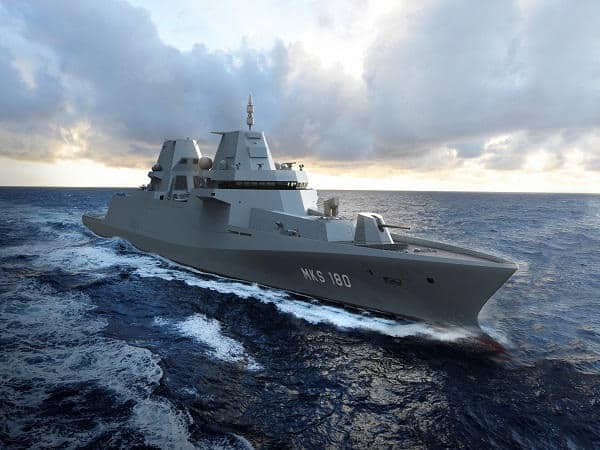
In 2020, a consortium led by the Dutch company Damen was entrusted with the Mehrzweckkampfschiff 180 (MKS-180) program, which aims to equip the German Navy with six F-126 frigates starting in 2028. The total investment for this initiative is projected to be €8 billion. Specifically, Damen is responsible for the design of these new vessels.
Navy’s F-126 Frigate Program Overview
The F-126 frigates are intended to enhance the operational capabilities of the German Navy, focusing on multi-role functionality to address diverse maritime threats. These vessels are designed to operate effectively in various environments, ensuring the Navy’s strategic objectives are met.
Potential Setbacks in the F-126 Program
Recent assessments by the German Ministry of Defense indicate potential challenges that may hinder the timely realization of the F-126 program. Factors contributing to these setbacks include:
- Design Delays: Challenges in finalizing the design specifications could lead to extended timelines.
- Budget Constraints: Fluctuations in funding may impact the project’s overall financial viability.
- Supply Chain Issues: Disruptions in the supply chain can delay critical components necessary for construction.
Strategic Importance of the F-126 Frigates
The F-126 frigates are crucial for maintaining maritime security and enhancing NATO’s collective defense capabilities. These vessels will provide advanced surveillance, anti-submarine warfare, and air defense systems, making them integral to modern naval operations.
Recommendations for Mitigating Risks
To address the potential setbacks, the following strategies are recommended:
- Regular Progress Reviews: Implementing frequent assessments to monitor design and construction milestones.
- Enhanced Collaboration: Strengthening partnerships with suppliers to ensure timely delivery of materials.
- Budget Management: Developing a flexible financial plan to accommodate unforeseen expenses.
Conclusion: The Future of the F-126 Program
While the F-126 frigate program faces challenges, its successful implementation is vital for the German Navy’s modernization efforts. Continuous evaluation and proactive management can help overcome obstacles, ensuring that the Navy remains capable of addressing contemporary maritime threats.