
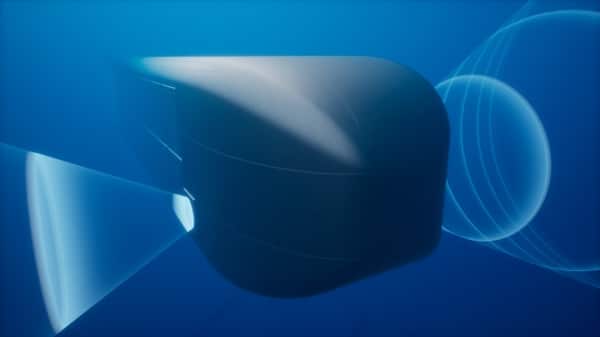


Revolutionary AI-Enhanced Sonar Technology for Naval Defense is transforming the landscape of anti-submarine warfare (ASW). The introduction of advanced sonar systems such as the CAPTAS suite, S-Cube for submarines, and SonoFlash acoustic buoys has already demonstrated significant effectiveness. Recently, Thales has expanded its offerings with the 76Nano, a compact acoustic detection system touted as “revolutionary.” This new sonar system leverages artificial intelligence to enhance detection capabilities, providing naval forces with a critical edge in maritime security.
Understanding AI-Enhanced Sonar Technology
AI-enhanced sonar systems utilize sophisticated algorithms to process vast amounts of acoustic data, improving target detection and classification. These technologies are essential for modern naval operations, allowing for:
- Real-time data analysis: Instantaneous processing of sonar signals to identify potential threats.
- Improved accuracy: Enhanced algorithms reduce false positives, ensuring that naval forces can focus on genuine threats.
- Adaptability: AI systems can learn from previous encounters, continuously improving their detection capabilities.
The Role of Compact Systems in Naval Defense
The 76Nano represents a significant advancement in sonar technology, particularly for smaller vessels or submarines that require compact solutions without compromising performance. Key features include:
- Size efficiency: Designed for easy integration into various platforms.
- Enhanced mobility: Facilitates operations in diverse maritime environments.
- Cost-effectiveness: Provides advanced capabilities without the extensive investment typically associated with larger systems.
Strategic Advantages of AI-Driven Sonar Systems
Incorporating AI into sonar technology offers numerous strategic advantages for naval operations:
- Proactive threat detection: Early identification of potential adversaries enhances operational readiness.
- Data fusion: Integration with other sensor systems provides a comprehensive situational awareness.
- Operational efficiency: Reduces the need for extensive manual analysis, allowing personnel to focus on critical decision-making.
Future Trends in Naval Sonar Technology
The evolution of sonar technology is ongoing, with future advancements likely to include:
- Greater automation: Enhanced machine learning capabilities for autonomous operations.
- Integration with unmanned systems: Collaboration with drones and underwater vehicles for expanded operational reach.
- Cybersecurity measures: Enhanced protocols to protect sonar systems from potential cyber threats.
Conclusion: Embracing Innovation in Naval Defense
The integration of AI-enhanced sonar technology like the 76Nano is pivotal for modern naval defense strategies. As threats evolve, so must the tools used to combat them. By embracing these innovations, naval forces can ensure superior maritime security and operational effectiveness.