
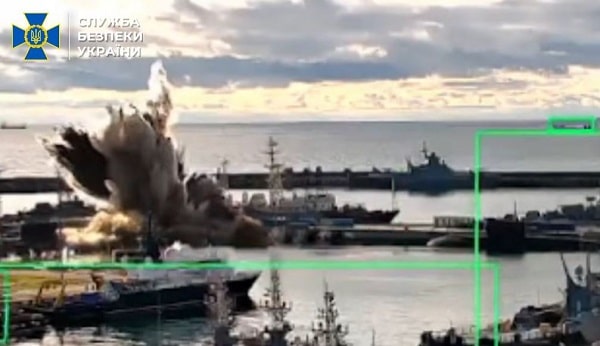


In August 2024, the Ukrainian military claimed to have sunk the Russian submarine B-237 Rostov-on-Don [Project 636 Varshavyanka or “Improved Kilo”], while it was undergoing repairs at the Sevastopol shipyard after being targeted in a missile strike a year earlier. Although no evidence was presented to support this assertion, the implications of such an event could be significant for naval warfare dynamics in the Black Sea region.
Understanding the Strategic Impact of Submersible Drone Attacks in Naval Warfare
The use of submersible drones represents a transformative approach to modern naval engagements. These unmanned vehicles provide strategic advantages, including stealth capabilities and reduced operational costs. The implications of Ukraine’s claims highlight the evolving nature of maritime conflict and the importance of technological advancements in warfare.
Key Features of Submersible Drones
- Stealth Operations: Submersible drones can operate undetected, making them ideal for surprise attacks.
- Cost-Effectiveness: Compared to traditional submarines, drones are less expensive to build and maintain.
- Versatile Deployment: These drones can be deployed in various maritime environments, enhancing operational flexibility.
Potential Outcomes of the Attack on the Russian Submarine
If the Ukrainian claim is validated, it could lead to a shift in naval power dynamics in the Black Sea. Potential outcomes may include:
- Increased confidence in Ukrainian naval capabilities.
- Heightened tensions between Ukraine and Russia, potentially escalating military engagements.
- Influence on NATO’s strategic posture in the region.
Challenges and Considerations
Despite the potential advantages, deploying submersible drones also presents challenges:
- Technical Limitations: Current technology may limit operational range and payload capacity.
- Countermeasures: Advancements in anti-drone technology could mitigate the effectiveness of such attacks.
- Legal and Ethical Implications: The use of drones in warfare raises questions about compliance with international law.
Conclusion: The Future of Naval Warfare
The claim of a successful submersible drone attack underscores the ongoing evolution of naval warfare. As nations invest in advanced technologies, the balance of power at sea will continue to shift. Monitoring developments in this area is crucial for understanding future military strategies and geopolitical implications.