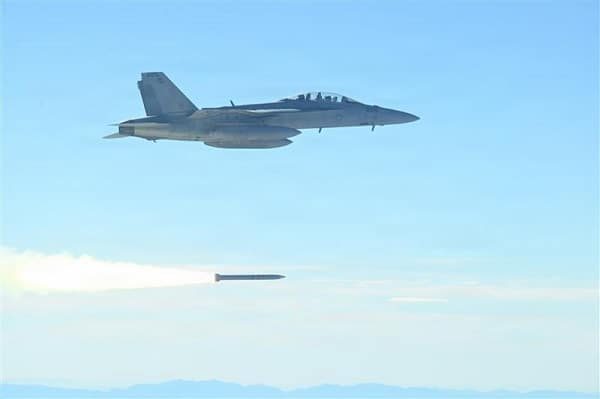
The US Navy is enhancing its capabilities to neutralize enemy radar systems, a critical component of Suppression of Enemy Air Defenses (SEAD) operations. The primary weapon employed for this purpose is the AGM-88 HARM (High-speed Anti-Radiation Missile), developed by Raytheon. Since its introduction in the 1980s, the AGM-88 has undergone continuous advancements to meet evolving battlefield requirements.
Advanced Anti-Radar Missile: AGM-88G AARGM-ER
The latest iteration, the AGM-88G Advanced Anti-Radiation Guided Missile-Extended Range (AARGM-ER), represents a significant leap in technology. This missile is designed to effectively target and destroy enemy radar installations and airborne threats, ensuring the safety and superiority of naval operations.
Key Features of the AGM-88G AARGM-ER
- Enhanced Range: The AARGM-ER boasts an extended operational range, allowing it to engage targets from greater distances.
- Advanced Targeting Systems: Equipped with cutting-edge guidance systems, it can accurately home in on radar emissions.
- Multi-Role Capability: This missile can be deployed from various platforms, enhancing its versatility in combat scenarios.
Strategic Importance of Anti-Radar Missiles
The development of advanced anti-radar missiles like the AGM-88G AARGM-ER is crucial for maintaining air superiority. By effectively neutralizing enemy radar systems, the US Navy can ensure that its aircraft operate with reduced risk from surface-to-air missiles and other aerial threats.
Future Implications for Naval Warfare
As aerial threats continue to evolve, the US Navy’s investment in advanced missile technology underscores its commitment to maintaining a tactical edge. The AGM-88G AARGM-ER not only enhances current capabilities but also sets the stage for future innovations in naval warfare.
Conclusion
The US Navy’s development of the AGM-88G AARGM-ER signifies a pivotal advancement in anti-radar missile technology. With its enhanced features and capabilities, this missile is poised to play a crucial role in future naval operations, ensuring the effectiveness of SEAD missions and the overall safety of naval forces.