

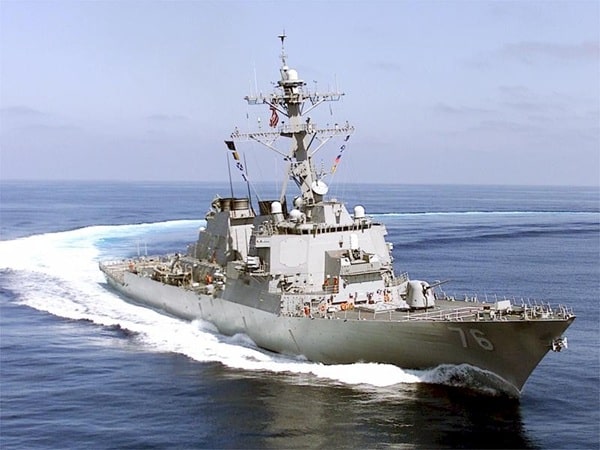


USS Higgins Faces Propulsion Failure: An In-Depth Analysis
Assigned to the 7th Fleet of the U.S. Navy, with its headquarters located in Yokosuka, Japan, the destroyer USS Higgins encountered a significant operational challenge while navigating the Pacific Ocean on April 28. The vessel experienced a complete loss of propulsion for several hours due to a technical failure in its propulsion system.
Understanding the Propulsion System of USS Higgins
The propulsion system of a naval destroyer is critical for maneuverability and operational readiness. The USS Higgins, equipped with advanced systems, relies on its propulsion for various mission capabilities, including:
- Stealth Operations: Ability to navigate undetected.
- Combat Readiness: Quick response to threats.
- Logistical Support: Efficient movement to supply and support missions.
Details of the Incident
The propulsion failure on the USS Higgins raised concerns regarding the reliability of naval systems. Such failures can lead to vulnerabilities during critical missions. The incident prompted an immediate investigation to determine the root cause and prevent future occurrences.
Implications of Propulsion Failures in Naval Operations
Loss of propulsion can significantly impact naval operations, including:
- Increased Risk: Vulnerability to enemy actions.
- Operational Delays: Extended timelines for mission completion.
- Resource Allocation: Need for additional support vessels.
Preventative Measures and Recommendations
To mitigate risks associated with propulsion failures, the following measures are recommended:
- Regular Maintenance: Implementing stringent maintenance schedules.
- Training: Ensuring crew members are well-trained in emergency protocols.
- System Upgrades: Investing in advanced technologies for propulsion systems.
Conclusion
The propulsion failure of the USS Higgins serves as a reminder of the complexities involved in naval operations. Continuous improvement and rigorous maintenance of naval systems are essential to ensure the safety and effectiveness of the fleet. As the U.S. Navy navigates future challenges, lessons learned from incidents like this will be crucial in enhancing operational readiness.